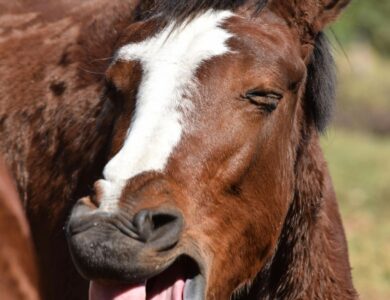
Caring for a Senior Horse

Caring for a Senior Horse
The Definitive Guide to Caring for a Senior Horse: Maintaining Joy and Mobility
It’s natural to feel a profound ache in your chest as you watch your magnificent equine partner slow down. Every gentle nicker, every slightly shorter stride, reminds you that the years are passing. For horse owners, aging is often described not just as a period of reduced vigor, but as a shift requiring an entirely new approach—a transition from simply keeping them healthy to actively managing their vitality and quality of life.
If you find yourself worrying about joint pain, energy dips, or the increasing complexity of their care routine, please know that you are not alone. Veterinary medicine has advanced immensely, giving us powerful tools for geriatric equine care. This guide is built to be your comprehensive companion, helping you understand what true “senior health” means and equipping you with the knowledge to make proactive changes that keep your best friend moving, comfortable, and happy for years to come.
Understanding Geriatric Changes in Equines
A horse reaching senior status is not merely a slower version of its younger self; it is an individual with unique physiological challenges. As horses age, metabolic rates slow, ligaments accumulate wear, and systems like digestion and immune response become less resilient. Proper care must shift from reactive treatment (waiting for problems) to proactive management (preventing them). The goals are longevity, pain mitigation, and preserving the joy of movement.
Sudden, severe onset of lameness that does not improve with rest; unexplained fever accompanied by lethargy; loss of appetite lasting more than 24 hours; or signs of severe abdominal pain/bloating.
Maintaining Joint Health and Mobility
Joint issues are arguably the most common concern in senior horses. Arthritis, ligament desiccation, and changes in cartilage health can severely restrict movement. It is vital to approach mobility management holistically, combining veterinary care with rigorous owner intervention.
The supportive structures around a horse’s joints—tendons and ligaments—are constantly remodeling. Weight-bearing exercise, even gentle walking, is crucial because it stimulates the release of natural cartilage nutrients (like glucosamine) into the joint space.
Routine podiatric care is non-negotiable for seniors. Routine farriery should be done by professionals who understand age-related conformational changes and soft tissue issues. Discussing proper shoeing techniques that minimize stress on the fetlocks and knees is a key part of this dialogue.
Nutrition Adjustments for Aging Systems
What a horse needs at 30 is significantly different from what they needed at 15. The metabolic demands change, necessitating careful adjustments to diet and forage intake. Weight management becomes critical because excess weight places disproportionate stress on already compromised joints.
High
Very High
High
Medium-High
High
Implement a strict daily exercise regimen tailored to their current mobility. Instead of demanding distance work, focus on controlled turnout and slow walking in varied terrain to encourage natural joint flexion.
Oral Care: More Than Just Teeth Brushes
Many owners underestimate the profound impact of dental health on overall senior equine welfare. Tartar buildup (calculus) is not just unsightly; it causes dental misalignment, painful malocclusion, and can restrict grazing efficiency, leading to chronic nutritional deficiencies.
The complexity of a horse’s dental arcade means that tartar buildup often compromises the occlusal surfaces, leading to ‘floating teeth.’ These are structurally compromised teeth that require professional floating and cleaning by an equine dental specialist.
It is essential to work closely with your veterinarian and farrier. Routine vet checks should include a thorough oral examination, not just when problems are apparent. Early detection of dental chips or gaps prevents pain, improves nutrient absorption, and keeps the horse feeling better overall.
Monitoring Chronic Conditions
Senior horses often live with multiple chronic conditions simultaneously (polypharmacy). These can include arthritis, heart murmur, mild colic tendencies, metabolic bone disease, and gut flora imbalances. The key to managing these is creating a detailed health profile for the veterinarian to follow. Keep logs of their activity levels, appetite changes, defecation frequency, and stool consistency.
Many senior issues, including lethargy and mild GI upset, can stem from inflammation. Inflammation often signals a nutrient deficiency or underlying joint stress, making preventative anti-inflammatories under veterinary guidance crucial.
Addressing systemic health involves more than supplements; it requires careful physical monitoring. Weight fluctuations, subtle skin changes (e.g., dull coat sheen), and abnormal gait patterns should all be flagged as potential signs of decline that need investigation.
Real-World Scenarios
Understanding how these issues present in real life can make you a more vigilant owner. These composite scenarios illustrate common presentations seen at veterinary clinics:
- Acute Lameness Presentation: The horse suddenly shows an increased reluctance to move on the forehand or lifts one limb slightly while walking, especially after a period of resting. This often points to localized joint inflammation or ligament strain, requiring immediate veterinary assessment and potential physical therapy planning.
- Digestive Distress Signs: Routine observation reveals sporadic bouts of gas blowouts and minor abdominal discomfort accompanied by changes in manure consistency—it may transition from hard pellets to overly watery output. These subtle signs often point toward underlying gut dysmotility common in older horses, requiring dietary fiber adjustments or probiotics.
- Subtle Decline in Energy: The horse that used to eagerly approach the tack room now requires significant coaxing and shows a marked decrease in overall enthusiasm during exercise. This type of chronic lethargy can be related to anemia, hypothyroidism (rarely diagnosed), generalized pain, or poor cardiac function, necessitating comprehensive blood work.
The most critical aspect of senior care is establishing a routine veterinary relationship that emphasizes proactive, multi-system monitoring rather than just treating acute emergencies.
Related Topics for Deeper Understanding
Caring for an aging horse touches on multiple facets of pet ownership and equine welfare. If you would like to explore related topics, these resources may be helpful:
- The Pet Shop You Can Trust in Caçapava, SP, Brazil — Useful for finding general supplies and routine care items near certain regions.
- Pet Shop: The Local Reference in Várzea Paulista, SP, Brazil — Another regional resource for general pet supplies and advice.
- Meet the Best Veterinary Clinic in Hortolândia, SP, Brazil — When seeking specialized geriatric care, knowing local professional options is crucial.
- How Much Should I Feed My Cat? — While focused on cats, the principles of caloric monitoring and gradual dietary shifts apply broadly to all aging pets.
- Understanding Feline Body Language — Understanding subtle non-verbal cues is vital in senior horse care, as pain often manifests subtly before severe signs appear.
- Guide to All 10 Veterinary Clinics in Aguas Claras, DF, DF, Brazil: Check It Out Now! — This resource helps illustrate the importance of having a wide network of veterinary specialists available.
- Legislação na Saúde Animal — Guia Animal (Brazil, in Portuguese) provides context on the legal standards of animal health practices globally.
- Guia das Raças de cachorros — Guia Animal (Brazil, in Portuguese) provides helpful comparative guides that illustrate breed-specific care needs.
- Gatos — Guia Animal (Brazil, in Portuguese) reminds us of the universal need for species-specific geriatric care guidelines.
Frequently Asked Questions About Senior Horse Care
What dietary changes are most important for an aging horse?
The focus should shift to highly digestible forage and easily absorbed nutrients. Many vets recommend increasing levels of specific joint supplements (like green-lipped mussel) and fiber sources that aid motility, while monitoring for any signs of dental inability to chew appropriate feed.
How frequently should I schedule veterinary checkups?
The frequency often increases with age. While annual exams are common, many senior horses benefit from biannual (twice a year) visits to monitor weight, heart murmurs, kidney function, and dental integrity before issues become severe.
Is it okay for my senior horse to be retired from work?
Absolutely, but retirement requires a specific plan. If they are no longer doing high-impact performance work, their daily activity must be replaced by structured, low-impact exercise and physical rehabilitation to prevent muscle atrophy and bone deconditioning.
Do supplements help or do they just mask problems?
Supplements are excellent tools, but they should never replace diagnosis. They are best used to supplement a nutritional gap (like gut biome balance) or mitigate inflammation when appropriate. Always discuss dosage and necessity with your vet.
What are the main signs of chronic pain in an older horse?
Signs include changes in gait (a “stumbling” or uneven step), reluctance to move at certain times of day, favoring one leg, exhibiting a high head carriage, and increased rest periods compared to their previous baseline.
How can I help maintain their mental engagement?
Routine activities are mentally stimulating. Enrichment can come through novel scents, supervised low-stakes group time (if comfortable), or simple training reinforcement using treats and positive praise to keep their minds sharp.
Remember that the definition of “good care” changes with age. It is less about performance metrics and more about maximizing comfort, stability, and joy in every day spent together. Never hesitate to ask your veterinarian specific questions about pain management or quality-of-life assessments—your vigilance is their best medicine.
Keywords: senior horse health, equine geriatric care, older horse management, arthritis prevention in horses, senior equine diet, joint supplement horses, chronic colic signs in old horses, equine dental care, managing equine mobility, advanced horse care.